
Hand Carved vs CNC Wood Carving: What’s the Real Difference?
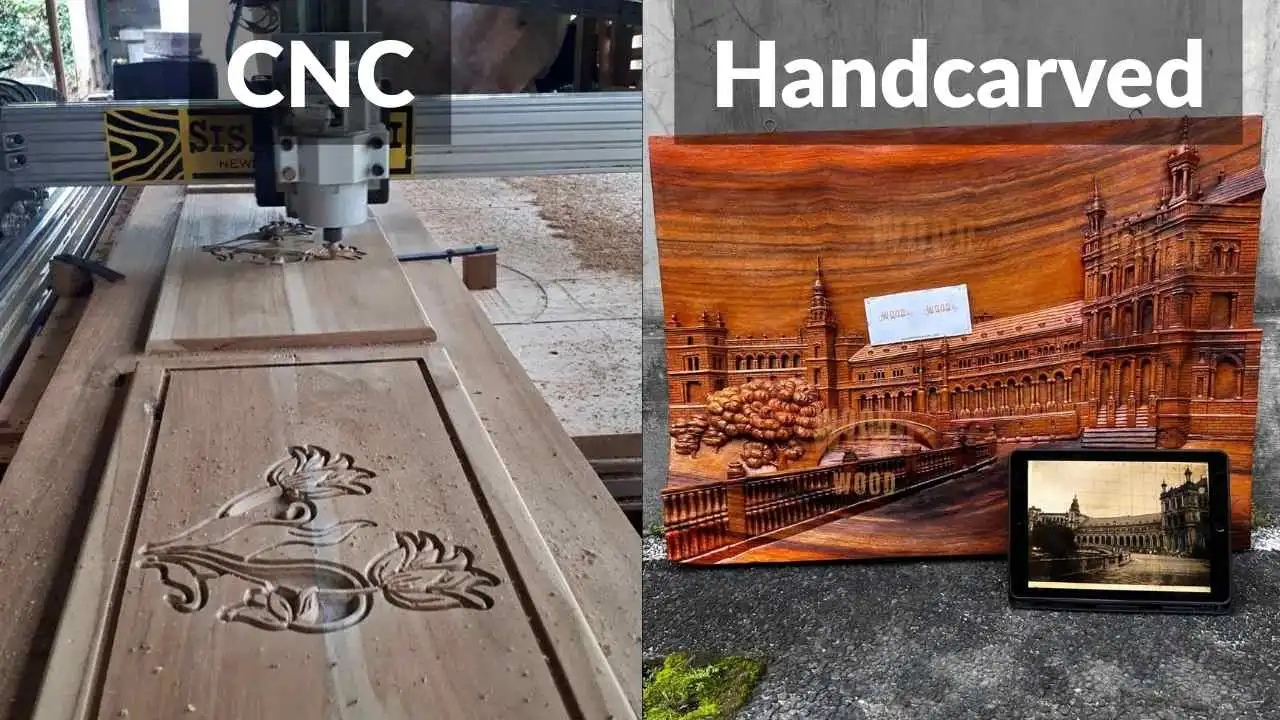
Hand Carved vs CNC Wood Carving
In the world of wood art, two main methods are commonly used to create detailed carvings: CNC machine carving and traditional hand carved wood carving. Although both techniques can produce impressive designs, they represent very different approaches to craftsmanship.
Understanding the difference between CNC carving and hand carving helps collectors, interior designers, and art lovers appreciate why handcrafted wood carvings are often considered more valuable and meaningful.
What Is CNC Wood Carving?

CNC wood carving uses computer-controlled machines to cut designs into wood. First, the design is created digitally. Then, the CNC machine follows programmed instructions to carve the pattern automatically.
Because of this process, CNC carving is widely used in modern manufacturing. It allows:
fast production
consistent results
mass reproduction of identical designs
lower production costs
As a result, the same design can be reproduced hundreds or even thousands of times with identical results.
Therefore, CNC carving is often used for decorative panels, furniture components, and mass-produced ornaments.
What Is Hand Carved Wood Carving?
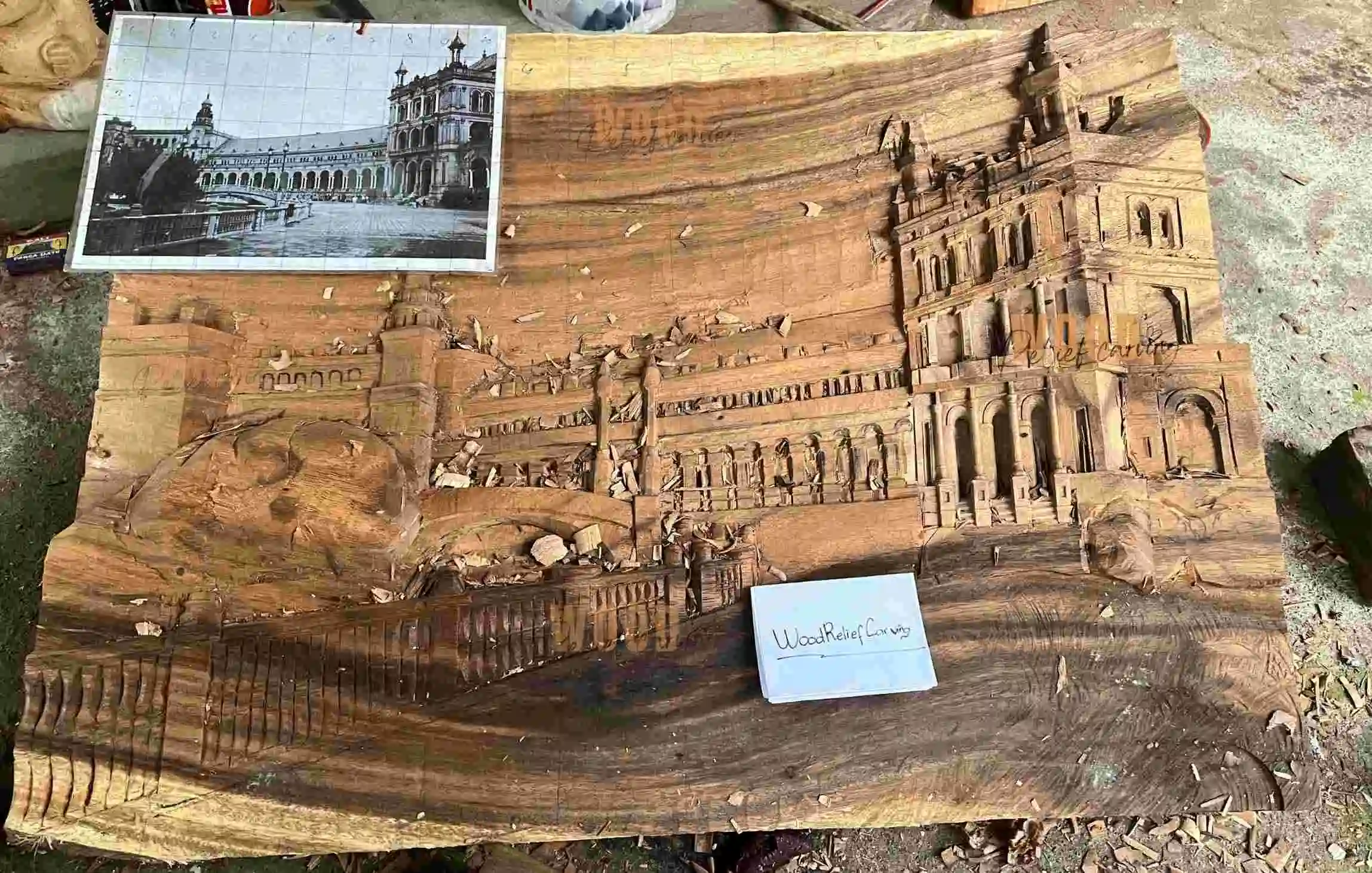
Hand carved wood carving is a traditional art form where a skilled craftsman shapes wood entirely by hand using chisels and carving tools. Every detail is carefully formed through experience, technique, and artistic judgement.
Unlike machine carving, hand carving requires:
years of practice and training
a deep understanding of wood grain and texture
precision control using traditional tools
artistic interpretation of the design
Because of this process, each carving reflects the hand of the artist who created it. No two pieces are ever exactly the same. As a result, every hand carved artwork becomes truly unique.
Key Differences Between CNC and Hand Carving
Production Process
CNC carving is automated and controlled by software. Once programmed, the machine repeats the same design precisely.
Hand carving, however, depends on the skill and experience of the artist. The craftsman shapes every detail carefully using chisels and carving tools.
Uniqueness
Machine-carved pieces are identical copies of a digital file.
Hand carved artwork, however, is one of a kind. Even when following the same design, subtle variations in depth, texture, and expression make each piece unique.
Artistic Expression
CNC machines are excellent at precision. However, they cannot interpret artistic emotion or creative intention.
Hand carving allows the artist to create:
deeper textures
organic forms
expressive details
natural flow in the wood grain
Because of this, handcrafted carvings often feel more alive and expressive.
Time and Effort
CNC carving can complete complex designs quickly.
Hand carving, however, requires patience, skill, and dedication. A detailed carving may take days or even weeks to complete.
However, this investment of time is exactly what transforms a carving from simple decoration into a true artwork.
Why Hand Carved Wood Is Considered More Valuable
Collectors and art enthusiasts often prefer hand carved wood carvings because they represent authentic craftsmanship rather than industrial production.
Each hand carved piece carries the signature style and effort of the artisan who created it. The marks of the chisel, the carefully shaped textures, and the depth of the carving reveal the human touch behind the work.
For this reason, many collectors treat hand carved artworks as heirloom pieces that can be appreciated for generations.
The Prestige of Teak Wood Carving
When hand carving is combined with solid teak wood, the result becomes even more exceptional.
Teak is widely regarded as one of the finest woods for carving because it offers:
incredible durability
natural resistance to insects and moisture
rich, warm color and beautiful grain
long-lasting structural strength
A detailed carving made from teak wood can last for decades without losing its beauty.
Because of these qualities, teak carvings are often displayed as centerpiece artworks in homes, galleries, and luxury interiors. Owning a finely crafted teak wood carving reflects not only appreciation for art but also a taste for enduring quality.
When CNC Carving Can Be Useful
While hand carving holds a special artistic value, CNC carving still has its place.
Machine carving is useful for:
repetitive decorative elements
architectural panels
large-scale manufacturing
projects requiring identical copies
For purely functional or mass-produced designs, CNC technology offers efficiency and affordability.
However, when the goal is to create a truly unique piece of art, hand carving remains unmatched.
Creating Your Own Custom Hand Carved Wood Artwork
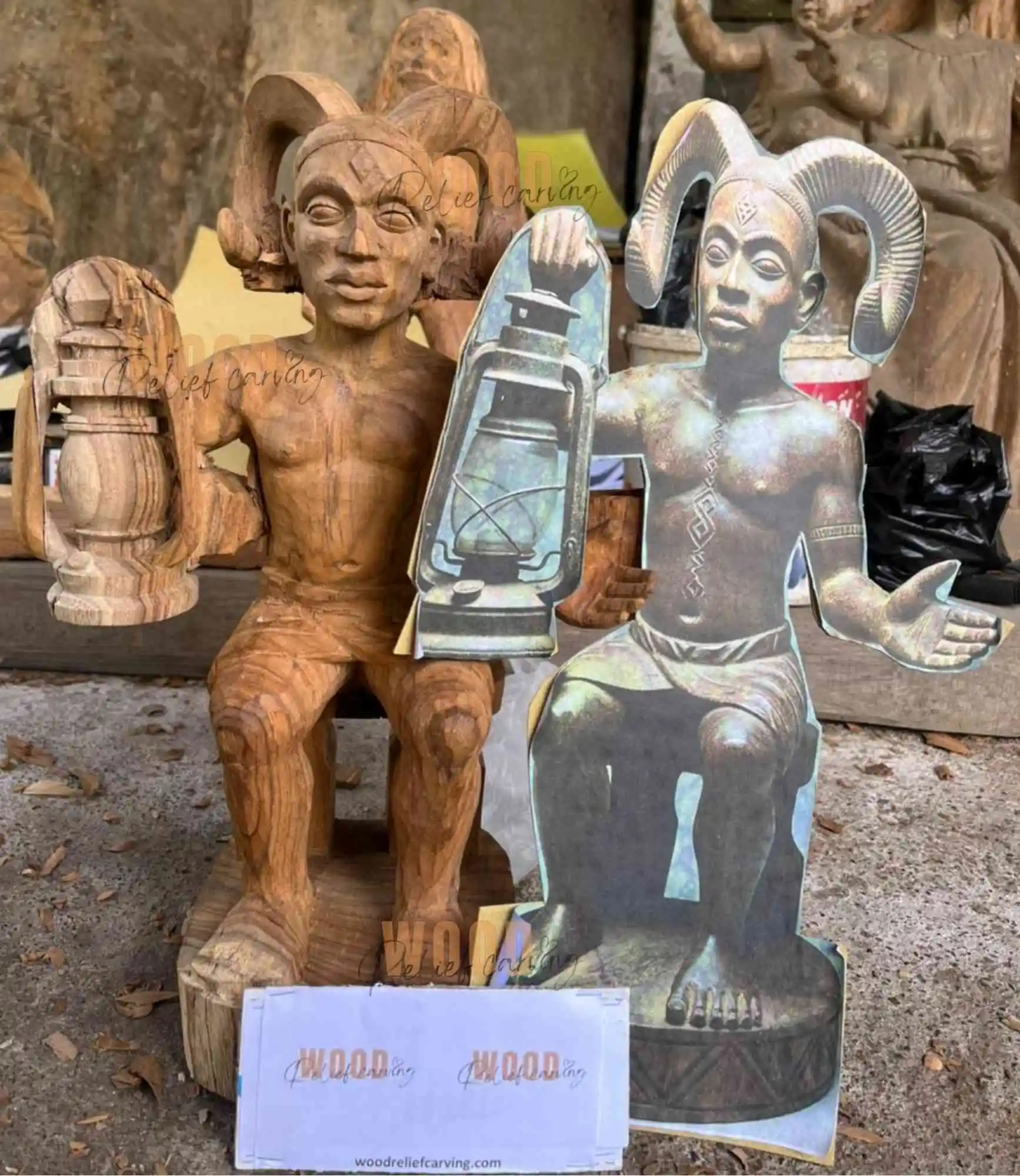
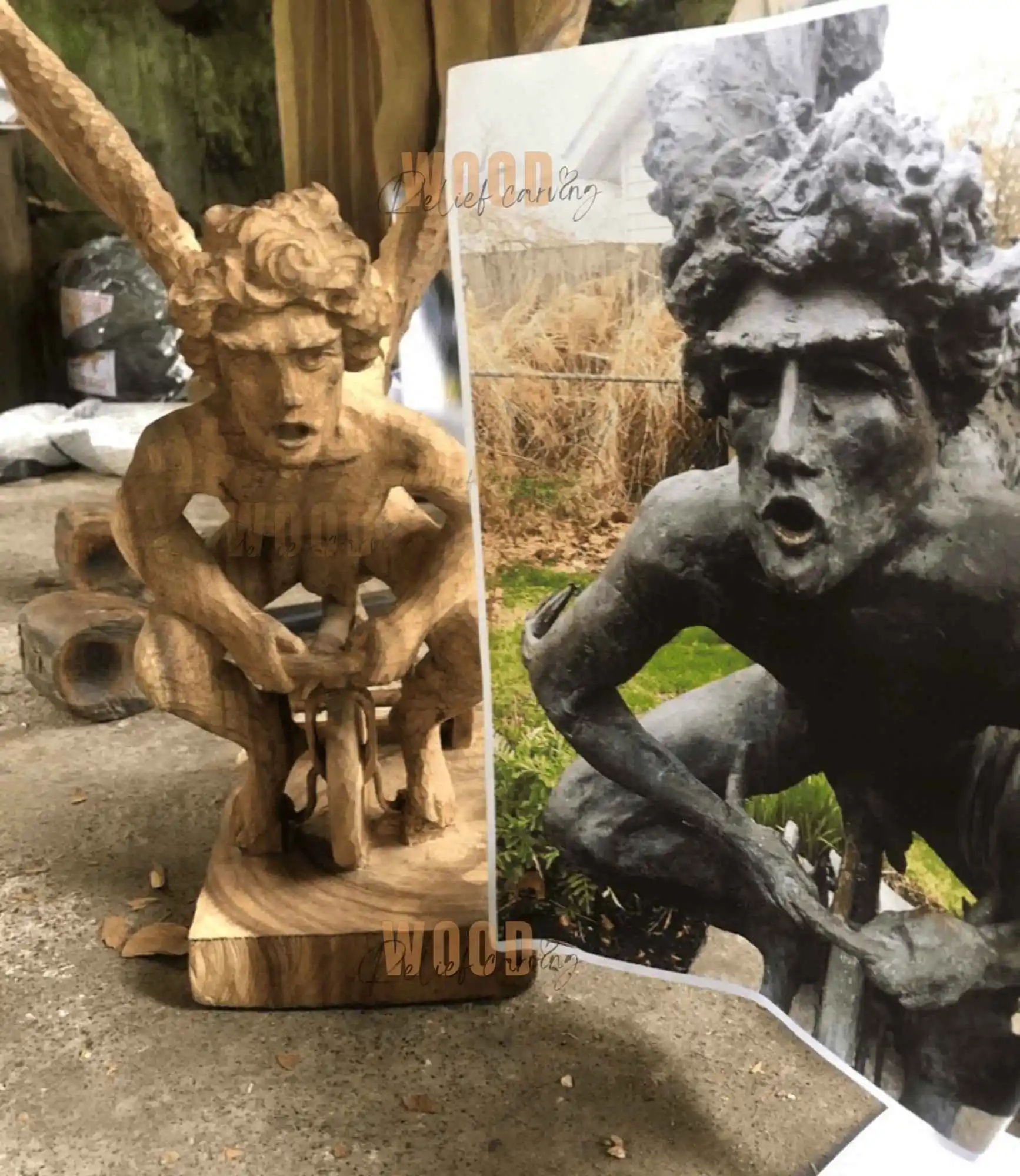
One of the most meaningful aspects of traditional carving is the ability to create custom designs based on personal ideas, memories, or inspirations.
A custom wood carving allows you to transform:
a portrait
an architectural landmark
a symbolic design
a meaningful scene
into a detailed relief sculpture carved entirely by hand.
Each commission is crafted individually, ensuring that the final piece reflects the story and vision behind the design.
A Timeless Artwork for Your Home
Unlike mass-produced decorations, a hand carved wood relief is an artwork that carries character, craftsmanship, and lasting value.
Whether displayed in a living room, office, or private collection, a finely carved teak panel becomes more than decoration. It becomes a piece that tells a story and captures attention for years to come.
If you are interested in creating your own custom piece, you can explore the process and examples of my work here:
Custom Commission Wood Carving or find me on Etsy
Each carving is made by hand using traditional tools and carefully selected teak wood, ensuring that every artwork is truly one of a kind.
